Exclusive Affiliate Offers: Define Who Gets What and for How Long
Create exclusive affiliate offers with a clear scope, realistic margin checks, distribution rules, expiry behavior, and transparent attribution expectations.
An exclusive affiliate offer gives a defined partner audience access to a benefit or promotion that is not offered in the same way elsewhere. The word exclusive needs a precise meaning: a unique code, a bundle, early access, or a specific placement can all be different arrangements. Define the benefit and boundaries before using exclusivity in the headline. An attractive phrase alone does not establish a useful or affordable offer.
Choose a benefit suited to the audience
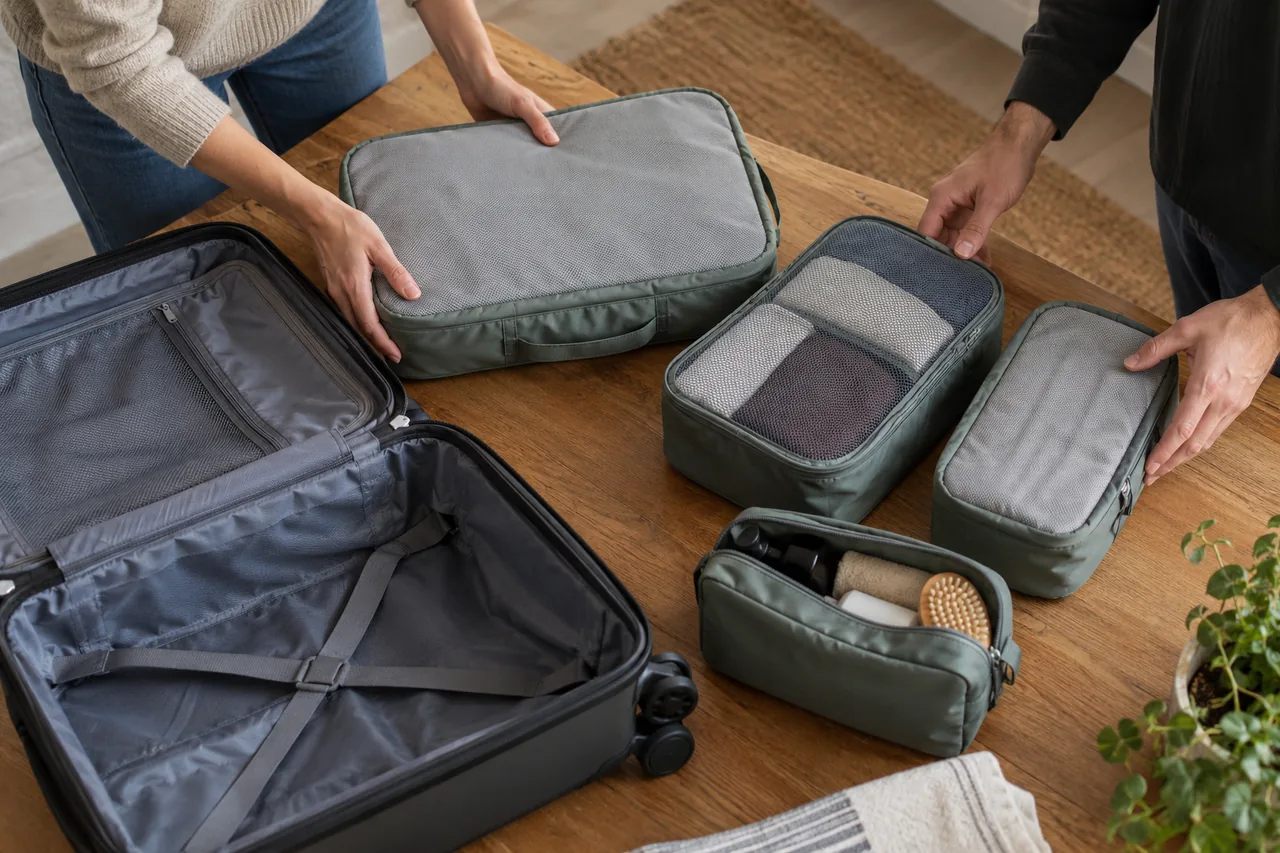
Consider a hypothetical luggage retailer working with a packing-advice newsletter. A travel-organizer bundle might fit better than a generic discount on every suitcase. Ask which customer question the offer helps resolve. State what is unique about it and whether comparable offers exist through other channels. Avoid claiming exclusive access when the same deal is publicly available under another code. Accurate framing helps the partner publish confidently without misleading readers.
Define the scope of exclusivity
Specify the partner, audience, products, territory, format, and time period covered. Resolve whether the offer can appear in archived content or be shared on social channels. If exclusivity concerns the code rather than the product, say so. Record any promises your team makes about competing placements. A casual conversation can otherwise produce incompatible expectations between the publisher, the paid-media team, and another partner preparing a similar campaign.
Calculate the total commercial exposure
Include the discount or added product cost, commission, fixed placement fees, fulfillment, and expected returns. Check minimum basket conditions and stacking behavior. A bundle described as added value may still consume substantial margin if it includes an expensive item. Model a higher-than-expected redemption scenario before final approval. Set the offer scope so the business can honor it rather than planning to quietly withdraw it when participation becomes inconvenient.
Agree on distribution and attribution
Explain who may publish the offer and what happens if the code spreads beyond the intended audience. Distinguish the discount entitlement from partner credit under the actual provider configuration. Do not assume exclusivity means every use will automatically be attributed to the named partner. Verify the intended behavior and communicate it through the terms and campaign brief. Keep a route for reporting unauthorized publication without automatically accusing any publisher that finds a publicly visible code.
Test expiry and customer-facing language
Check start and end times, eligible products, geographic restrictions, and the behavior when conditions are not met. Provide the complete offer wording and current assets. Ask the partner to explain limitations beside the benefit, not in an obscure note. Prepare an accurate landing page after expiry so archived content does not lead to a confusing dead end. A customer should be able to understand why an offer no longer applies without contacting support to decode it.
Review whether exclusivity added useful value
Compare approved contribution, customer questions, partner engagement, and the campaign objective. Separate attributed transactions from evidence about added demand. Ask whether the unique benefit helped the publisher create more useful content or simply complicated administration. Decide whether to repeat the offer, revise the bundle, or use a nonexclusive promotion next time. Preserve the agreement and results so future conversations do not rely on a vague memory of a successful-looking campaign. Name a person who can authorize exceptions and require those exceptions to be recorded. This prevents informal assurances from expanding the offer beyond the budget and scope the advertiser approved.
Frequently asked questions
Is a unique coupon code automatically an exclusive offer?
Not necessarily. Explain what is unique about the benefit and where else a comparable promotion is available. Code identity and genuine offer exclusivity are different questions.
What if an exclusive code appears elsewhere?
Follow the documented distribution and attribution policy, verify the evidence, and communicate with the affected partners. Use what you learn to improve future offer design.
About this guide
This guide presents an original planning framework and hypothetical examples. It does not report a product test or measured commercial result.
Program features, eligibility and terms can change. Check the official documentation before applying or promoting an offer. Examples in this guide are illustrative.
Put the next step into practice
Explore the free LinkRush campaign planner or continue learning below. Planning tools save your work in your browser.
Explore the workspace →