Affiliate Link Health Audit: Keep Recommendations Pointing to the Right Offer
Audit affiliate link health through destination checks, variant accuracy, program status, and a review register that keeps recommendations usable over time.
Affiliate link maintenance is more than checking whether an address returns a page. A working URL can lead to an unavailable product, a different variant, the wrong market, or an offer you are no longer approved to promote. A link-health audit examines the recommendation as a complete handoff. For a growing content library, a structured register prevents these checks from depending on whoever remembers an old article.
Create a recommendation inventory
List important article placements, the advertised item, intended market, approved program, tracking link, destination, and review owner. Use a stable content identifier rather than only a title that may change. Include the reason the recommendation appears, such as a particular compatibility requirement. That reason helps reviewers notice when a destination technically works but no longer fits the article. Start with heavily used or consequential pages if a complete inventory is not yet practical, then expand the register in a documented order.
Check the reader-visible destination
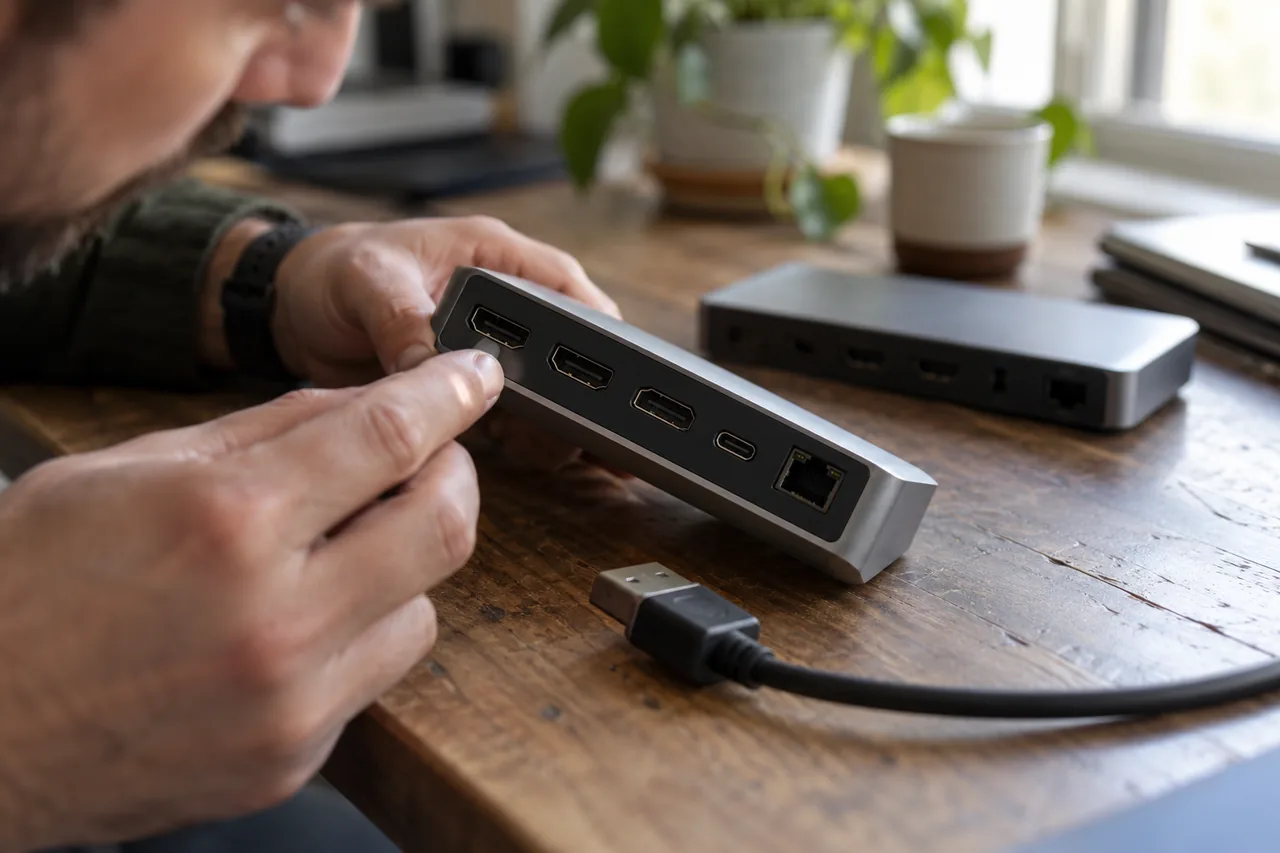
Follow links normally on relevant desktop and mobile contexts. Confirm the product, variant, availability statement, country, and destination label. Record unexpected redirects. Do not treat a generic category page as equivalent to the specific item the article describes. For a hypothetical laptop-dock guide, a revised product with fewer supported display connections may invalidate the surrounding recommendation even if the merchant retains the same address. Review the content claim against the current destination instead of marking every responding link as healthy.
Confirm program and link status
Check that the partnership remains approved and that the link uses the program’s supported format. Review material terms or offer changes affecting the placement. A destination check cannot itself prove successful commission tracking. Use the platform’s documented test and reporting workflow where available, and state what you can verify. Do not make self-purchases or artificial actions contrary to program rules to produce a reassuring transaction. Escalate a specific concern with the relevant placement reference and documentation rather than improvising tracking changes.
Classify issues by required repair
Useful categories include broken destination, wrong variant, unsuitable replacement, unsupported country, expired promotion, outdated claim, and uncertain tracking configuration. Each category needs a different action. Replacing a tracking URL will not fix a compatibility explanation that describes the old product. For a hypothetical list of twenty placements, finding three issues does not mean the whole library has a 15% persistent defect rate; it describes that reviewed set at that time. Label sample coverage and record which placements remain unaudited.
Make maintenance repeatable
Set review frequency according to exposure, offer volatility, and the consequences of an incorrect recommendation. Keep a dated changelog showing what changed and why. If you remove an offer, update both the link and surrounding claims, including tables and FAQs. Retest the repaired handoff. Monitor recurring categories to improve the process, such as requiring a variant field for every new placement. A reliable audit routine supports reader trust even when the immediate commercial effect cannot be measured confidently.
Frequently asked questions
Can an automated status checker complete the audit?
It can help find technical failures, but it may not understand product fit, variants, geographic eligibility, or approval status. Combine appropriate automated checks with a reader-context review of the most important recommendations.
How often should I review links?
Choose a schedule based on traffic, product changes, promotions, and the impact of an incorrect recommendation. Add event-driven reviews when programs announce changes or readers report problems. Document the coverage instead of claiming all links are continuously verified.
About this guide
This guide presents an original planning framework and hypothetical examples. It does not report a product test or measured commercial result.
Program features, eligibility and terms can change. Check the official documentation before applying or promoting an offer. Examples in this guide are illustrative.
Put the next step into practice
Explore the free LinkRush campaign planner or continue learning below. Planning tools save your work in your browser.
Explore the workspace →