An Influencer Media Kit for Affiliate Partnerships
Create an affiliate partnership media kit that explains your audience, editorial strengths, verified examples, available formats, and clear next steps.
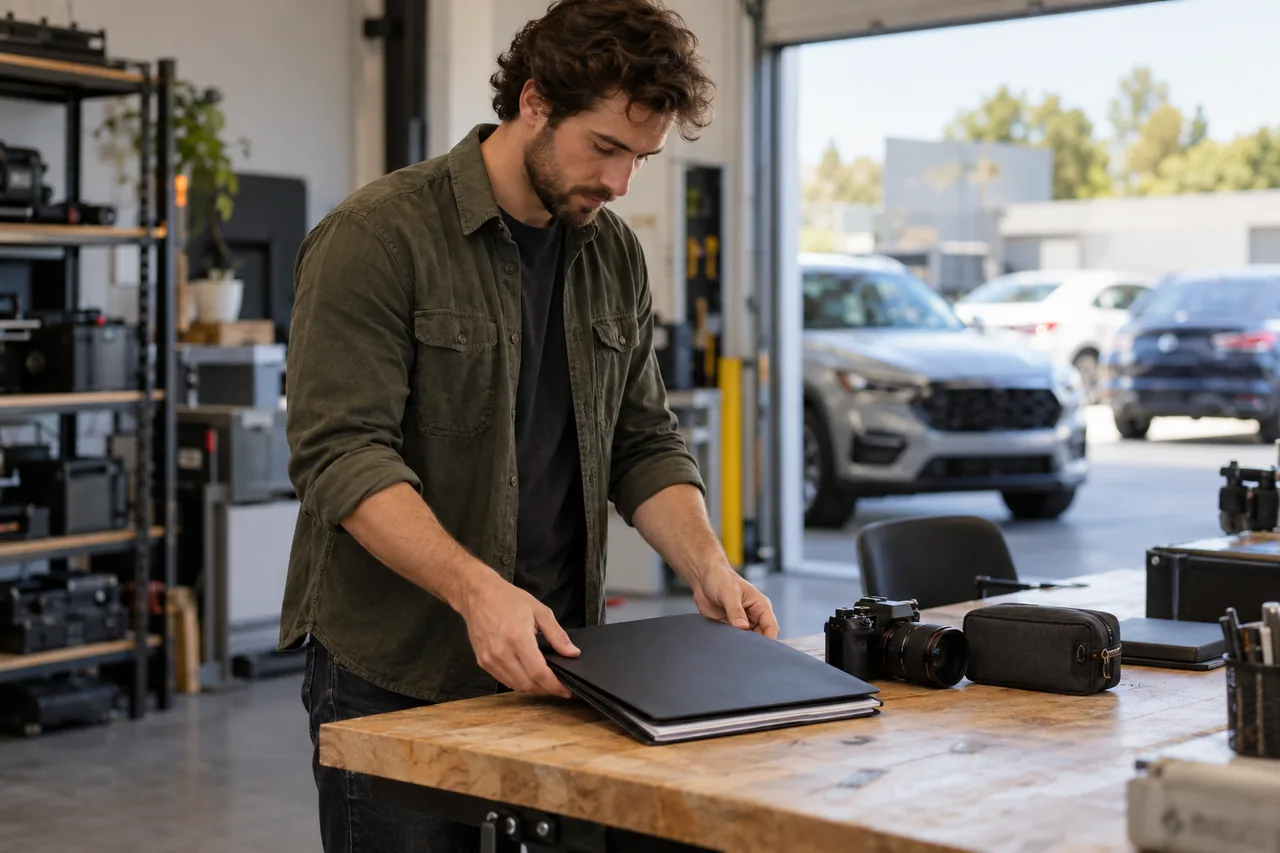
A media kit should help a prospective partner understand whether your audience and working style fit its offer. It is a decision document, not a scrapbook of impressive screenshots. For an affiliate relationship, a brand also needs to understand where recommendations appear and what evidence you can provide. Build the kit around relevant information you can substantiate, while keeping confidential customer and campaign details out of public materials.
Start with audience context
Describe whom you serve, what they are trying to achieve, and the questions they ask before choosing a product. An audience statement such as “independent vehicle dealers evaluating practical lot equipment” is more useful than “everyone interested in cars.” Include geographic scope and language only when you have a reliable basis for those descriptions.
If you report audience measurements, label the period, platform, and method. Distinguish followers, reach, website visits, and subscribers rather than presenting them as interchangeable. Explain limitations in plain language. If you lack dependable measurements, show your editorial focus and published resources instead of inventing an audience profile.
Show relevant work and working standards
Select two or three examples that resemble the proposed partnership. Explain the question each piece answered, its format, and your role. A tutorial shows a different strength from a scripted product demonstration. Link to the actual material so a manager can assess your clarity, tone, and handling of tradeoffs.
Add a short workflow section covering research, draft preparation, factual review, disclosure, and corrections. Separate fact checking from editorial approval: a brand can identify an incorrect specification without being promised a positive verdict. Describe formats you can genuinely deliver and explain whether production, publication, and reuse rights are separate proposals.
Worked example: a focused automotive creator
Imagine a creator with a small library about equipment for dealership staff. Its kit opens with the audience’s need to understand compatibility and storage constraints. It includes a gear-selection checklist and a researched installation explainer, clearly identifying the latter as documentation-based rather than hands-on testing.
The kit offers an educational short video and a website companion checklist as possible formats. It does not predict sales or claim that an illustrative diagram is footage of a product trial. The proposed next step is a discussion about the product’s intended users, permitted promotional channels, available evidence, and the manager’s reporting requirements.
Keep the kit current and easy to use
Publish a compact document or page with direct contact details and a review date. Use readable typography and brief captions explaining each portfolio example. Ask an unfamiliar reader to locate your audience, format options, and next step without guidance. Remove anything that requires a long explanation but does not help assess suitability.
Maintain a private supporting folder for approved screenshots, analytics definitions, and portfolio permissions. Refresh information when the audience, offering, or partnership terms change. Keep previous versions so you can see what a prospective partner received. A trustworthy kit makes a qualified conversation easier; it does not need invented awards or a promise that every recommendation will generate orders.
Frequently asked questions
Should a beginner include campaign results?
Include only results you can verify and are permitted to share. Published examples and a transparent workflow can demonstrate useful strengths when commercial history is limited.
Does the kit need a price list?
It can include available formats and say that scope determines the quote. Detailed pricing belongs in a proposal when deliverables, rights, and responsibilities are understood.
About this guide
This guide presents an original planning framework and hypothetical examples. It does not report a product test or measured commercial result.
Program features, eligibility and terms can change. Check the official documentation before applying or promoting an offer. Examples in this guide are illustrative.
Put the next step into practice
Explore the free LinkRush campaign planner or continue learning below. Planning tools save your work in your browser.
Explore the workspace →